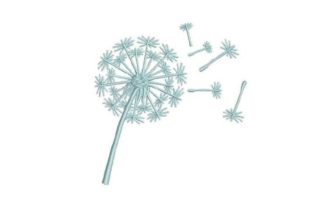
Dandelion: A Delicate Touch for Your Embroidery Projects
Embroidery enthusiasts and professionals alike are always on the lookout for unique designs that can add a special touch to their projects. The Dandelion embroidery design is one such gem, offering a delicate and whimsical element that can transform any fabric into a work of art. This article explores how the Dandelion embroidery design can be integrated into your creative workflow, enhancing both the aesthetic and practical aspects of your embroidery projects.
Understanding the Dandelion Embroidery Design
The Dandelion embroidery design captures the ethereal beauty of dandelions, with their fine, feathery seeds floating in the air. This design is not just visually appealing; it also brings a sense of lightness and movement to your embroidery. Whether you're working on a small, personal project or a larger, more intricate piece, the Dandelion design can be a versatile addition to your embroidery toolkit.
Preparation and Compatibility
Before incorporating the Dandelion embroidery design into your project, it's essential to ensure compatibility with your embroidery machine. This design comes in multiple file formats, making it accessible to a wide range of machines. Common formats include DST, PES, JEF, and HUS. Always check your machine's specifications to confirm which format it supports.
Additionally, consider the type of fabric you'll be using. Dandelion designs work beautifully on lightweight fabrics like cotton, linen, and silk. These materials allow the fine details of the design to stand out, creating a more natural and flowing appearance. For heavier fabrics, you may need to adjust the stitch settings to ensure the design remains visible and well-defined.
Planning and Design
Integrating the Dandelion embroidery design into your project starts with careful planning. Begin by sketching out your overall design concept, considering where the Dandelion elements will be placed. This step is crucial for achieving a balanced and harmonious look. You can use the Dandelion design as a focal point or as a subtle accent, depending on the overall theme of your project.
Setup and Execution
Once you have your design plan in place, it's time to set up your embroidery machine. Load the Dandelion design file into your machine and select the appropriate thread colors. For a more natural look, choose threads that complement the fabric and the overall color scheme of your project. Pastel and earthy tones often work well with Dandelion designs, but feel free to experiment with bolder colors if you want a more vibrant effect.
During the embroidery process, pay close attention to the tension and speed settings of your machine. Proper tension ensures that the stitches lie flat and even, while the right speed helps maintain the quality of the embroidery. If you notice any issues, such as skipped stitches or uneven lines, make adjustments as needed. Regular maintenance of your machine, including cleaning and oiling, can also help prevent these problems.
Quality Control and Finishing
After completing the embroidery, inspect the Dandelion design for any imperfections. Trim any loose threads and clean up the back of the fabric to ensure a professional finish. If you're working on a multi-layered project, now is the time to assemble the layers, ensuring that the Dandelion design is properly aligned and centered.
For a final touch, consider adding a backing or stabilizer to the embroidered area. This can help maintain the shape and integrity of the design, especially if the fabric is prone to stretching. A high-quality stabilizer will also enhance the longevity of your embroidery, making it more durable and resistant to wear and tear.
Practical Implementation Tips
- Experiment with Placement: Try placing the Dandelion design in different areas of your project to see what works best. Sometimes, a simple change in placement can dramatically alter the overall look and feel.
- Combine with Other Designs: Don't be afraid to mix the Dandelion design with other embroidery patterns. Combining different elements can create a rich and layered effect, adding depth and interest to your project.
- Use Different Thread Textures: Varying the texture of your embroidery threads can add a tactile dimension to the Dandelion design. Consider using metallic or variegated threads for a more dynamic and eye-catching result.
- Document Your Process: Keep a record of the settings and techniques you use for each project. This documentation can be a valuable resource for future projects, helping you to refine and improve your embroidery skills over time.
Conclusion
The Dandelion embroidery design is a beautiful and versatile addition to any embroidery project. By carefully planning, setting up, and executing your design, you can create stunning and unique pieces that stand out. Whether you're a seasoned embroiderer or a beginner, the Dandelion design offers endless possibilities for creativity and expression. With its delicate and graceful nature, it's sure to become a favorite in your embroidery repertoire.